

by DAVID AXE
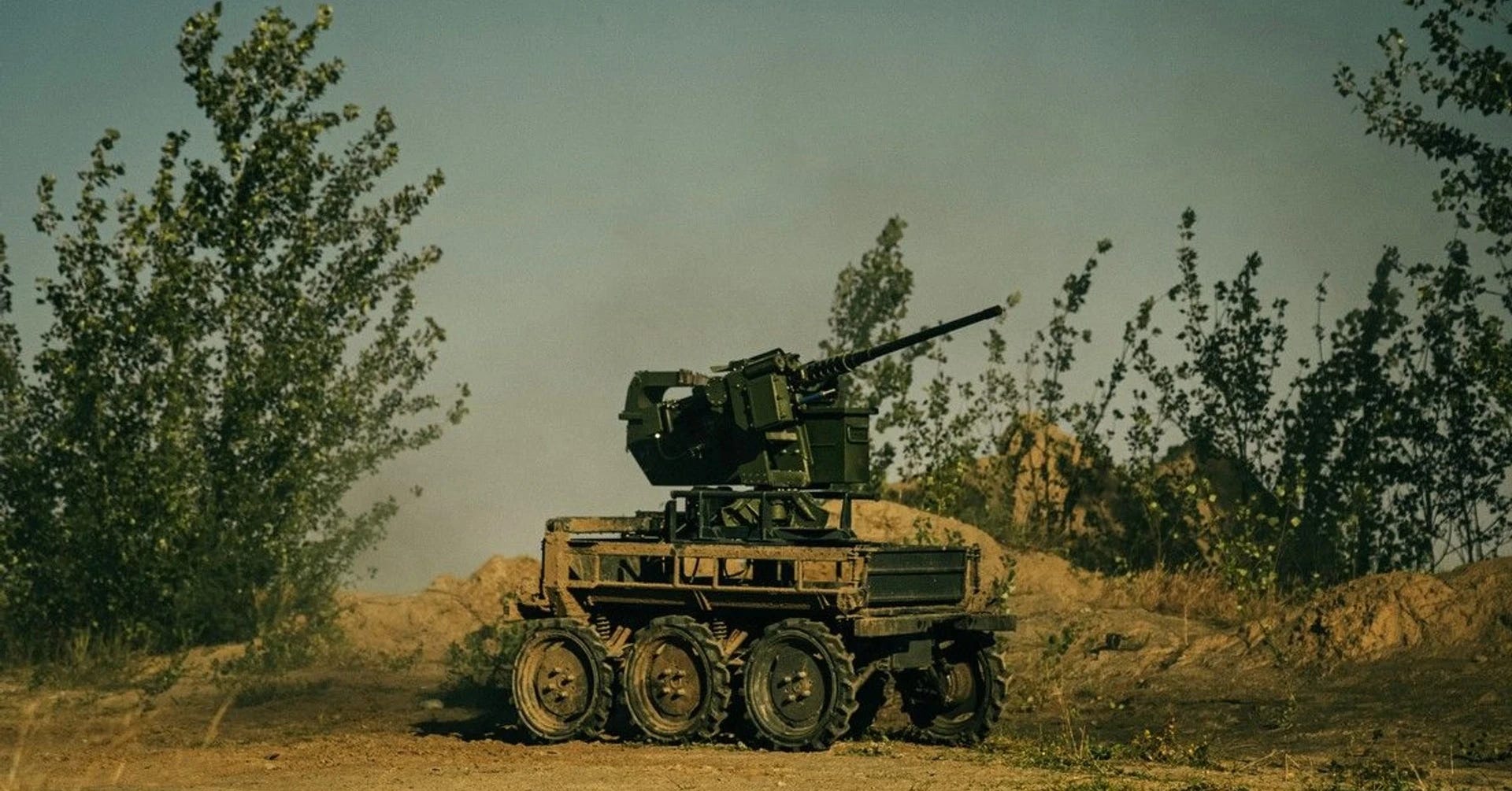
All-robot amphibious landings, air assaults, engineering operations, and resupply are increasingly commonplace in Russia’s wider war on Ukraine, now in its 57th month. They’re especially common on the Ukrainian side as Kyiv rushes to reinforce its manpower-starved armed forces with unmanned systems of all kinds.
One recent all-robot assault carried out by the Ukrainian 3rd Assault Brigade on or just before Oct. 30 stood out, however. It was the biggest confirmed attack by unmanned ground vehicles so far in the wider war: no fewer than 28 UGVs of all kinds rolled across the gray zone near the village of Druzheliubivka in northern Ukraine’s Kharkiv Oblast.
It seems the Russians spotted the assault from far away and swiftly defeated it, mostly by sending in explosive first-person-view drones. But it could be a temporary win. UGVs are cheap, some costing a few tens of thousands of dollars, and Ukraine is building a lot of them. Former Ukrainian defense minister Mykhailo Fedorov claimed Ukraine would acquire 25,000 UGVs in just the first six months of 2026. The figure for the rest of the year is likely to be as high or higher.
Those 28 Ukrainian UGVs may have failed to breach Russian positions. The next 28 might succeed.

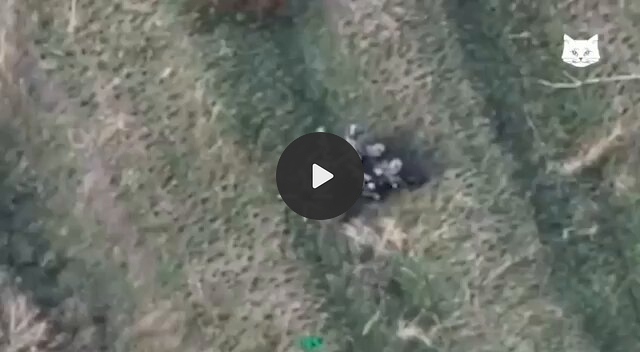
The daylight all-robot ground assault, which came around two years after the first-ever all-robot ground assault and four months after the first all-robot amphibious landing and air assault (all carried out by the Ukrainians), reportedly involved eight self-exploding UGVs plus another 20 UGVs with handheld weapons: 18 with pairs of single-round grenade launchers and two with automatic grenade launchers firing more but smaller rounds.
The Russians posted a video montage depicting FPV attacks on the approaching Ukrainian UGVs. If any of the Ukrainian robots got close enough to Russian positions to directly engage, it’s not apparent from the video.
The Ukrainian plan seemingly failed. But that doesn’t mean it was an unsound plan. Examples abound of recent, but smaller, all-robot or robot-led ground operations. Aerial drones and ground robots led the way in the Ukrainian 3rd Army Corps’ successful Operation Vivaldi counteroffensive, which ejected a pair of Russian field armies from a critical sector of eastern Ukraine’s northern Donetsk Oblast starting in March.
For Operation Vivaldi, the 3rd Army Corps deployed mine-clearing ground robots and remote-controlled BTR-60 armored personnel carriers converted into powerful rolling bombs. Even more dramatically, the corps and its supporting drone units organized all-robot air assaults. Heavy octocopter bomber drones carried armed UGVs across the gray zone and deposited them right in front of or right behind Russian positions.
Read the rest at Euromaidan Press.
20% Off Paid Subscriptions!

Help keep Trench Art going by taking 20% off a paid subscription! That’s just $36 a year for daily war news and analysis.Thanks for reading Trench Art! This post is public so feel free to share it.