

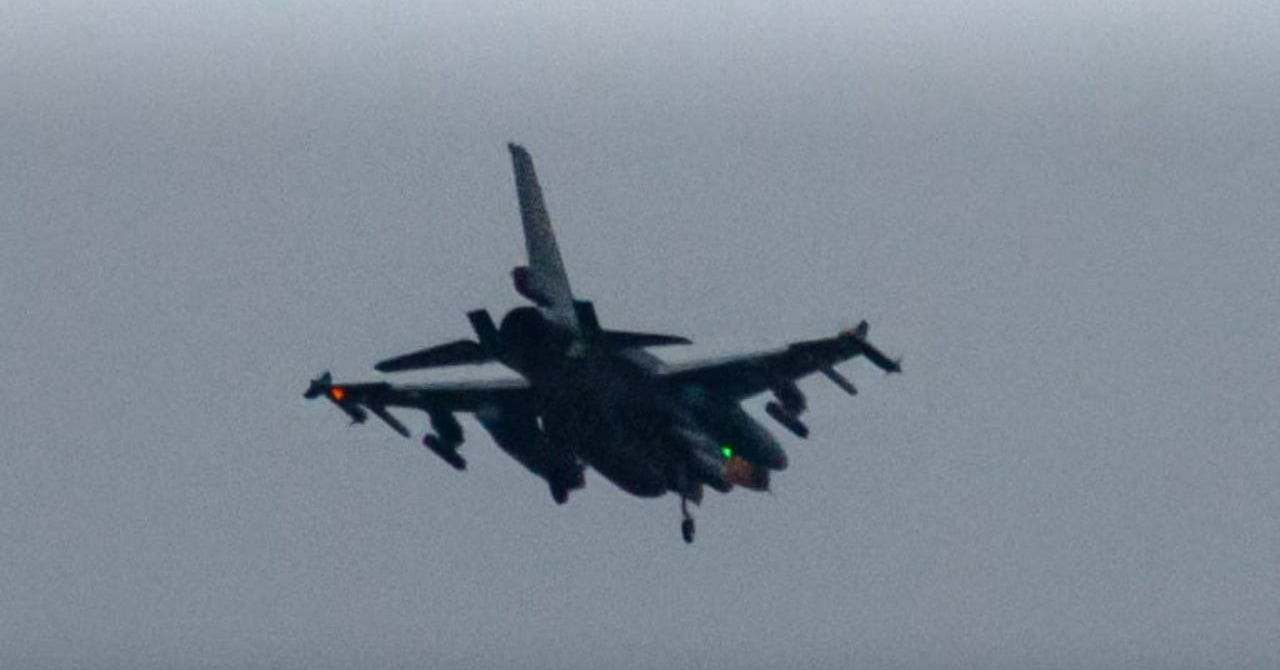
The Ukrainian air force’s F-16 fighters are now carrying Sniper sensor pods
The camera- and laser-equipped pods open up new capabilities
Sniper-equipped F-16s can use laser-guided rockets and bombs
The British Paveway IV laser-guided bomb, pledged to Ukraine in 2024, can accurately strike moving targets
Ukrainian forces shot down 34 out of 35 cruise missiles Russian forces launched at Ukrainian cities on the night of 22-23 December. Col. Yurii Ihnat, head of communications for the Ukrainian air force, told Ukrainian Pravda the cruise missiles were “mainly” shot down by the air force’s ex-European F-16 fighters.
The 97% intercept rate marks a dramatic improvement—and points to new hardware that’s quietly transforming what Ukraine’s jets can do, and at what cost.
Ukraine has received around 50 out of 90 or so of the supersonic F-16s that a Belgian-Danish-Dutch-Norwegian consortium pledged back in 2023. Four of the nimble, 1980s-vintage—but heavily upgraded—jets have crashed or been shot down since the type flew its first combat sortie over Ukraine in August 2024.
The survivors stay very busy jamming Russian radars, lobbing satellite-guided bombs at Russian troops, and patrolling for Russian cruise missiles and Shahed drones. Recent additions to the F-16s’ sensor suites are making them much more effective.
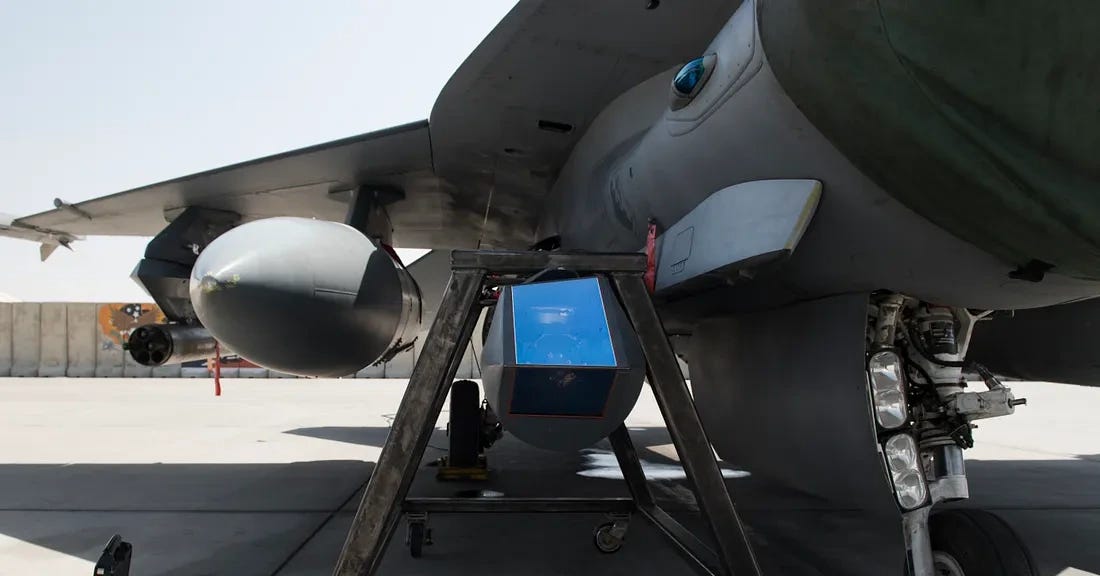
In early December, the first images appeared online depicting Ukrainian F-16s with Sniper targeting pods under their inlets. Additional imagery confirms the jets are flying with the pods, which include daylight and infrared cameras as well as a laser designator.
While the F-16’s nose-mounted APG-66(V)2A radar is still its primary sensor, the $2-million Sniper pod is an important addition. It’s a passive sensor, meaning it doesn’t emit radiation—and thus doesn’t betray the F-16’s location. A pilot can switch off his radar, go emissions “silent” and still detect and shoot at Russian targets.
Read the rest at Euromaidan Press.
