

by DAVID AXE
As recently as the summer of 2026, hundreds of Russian tankers and dry cargo ships plied the Sea of Azov and the adjacent Black Sea, hauling fuel and bulk supplies between Russian ports and Russian-occupied ports in southern Ukraine and Crimea.
Most of the Russian ships were unregistered and sailed without transponders, making them a kind of regional adjunct of Moscow’s “shadow fleet” that ships Russian oil and other goods to the global market in defiance of international sanctions.
The Black Sea shadow fleet has, or had, a more limited remit. It helped supply Russian forces in southern Ukraine—in particular, the Crimean Peninsula, which functions as a kind of unsinkable aircraft carrier for Russian air power.
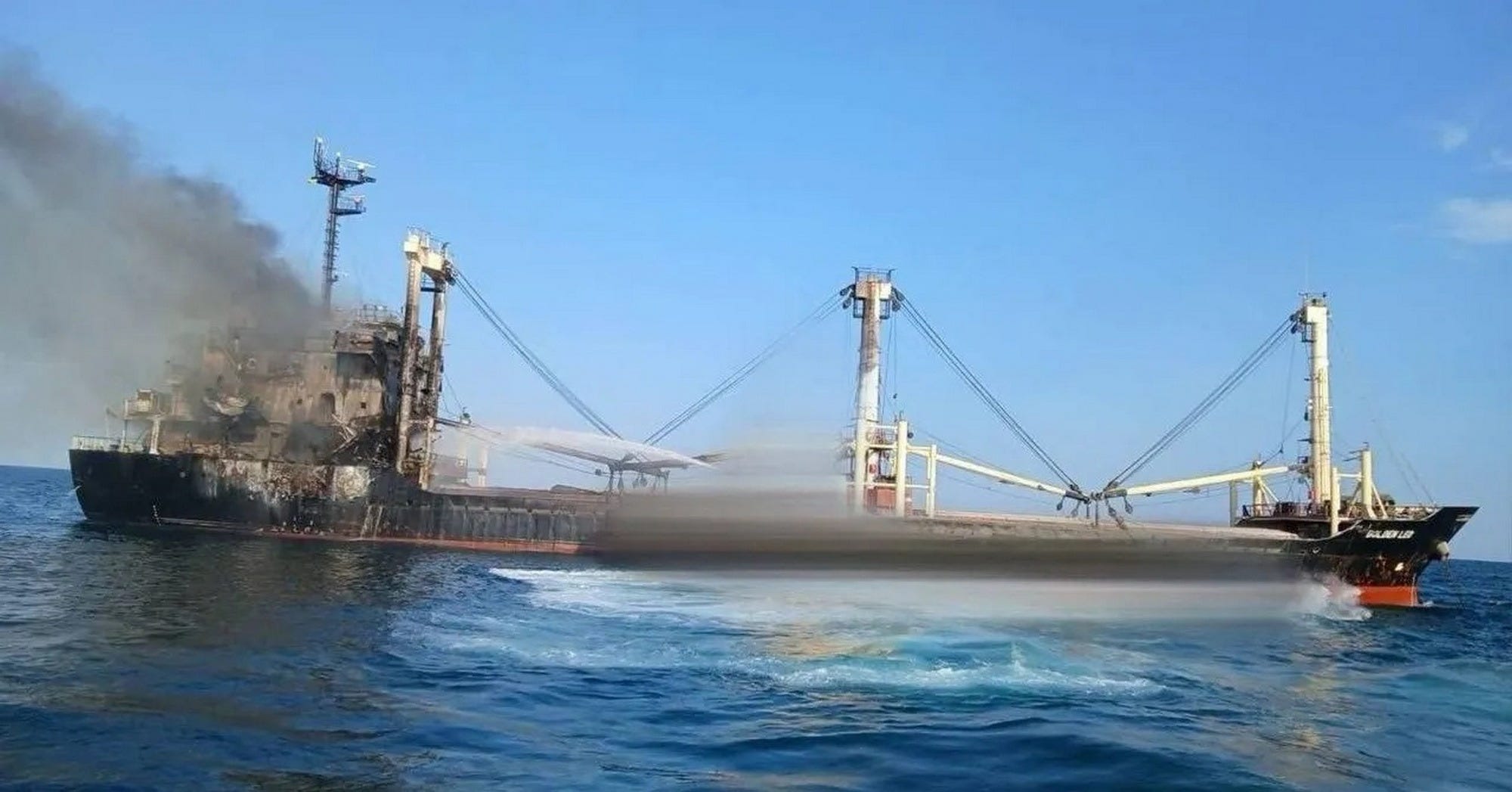
On July 7, Ukraine’s deep strike drone force finally started hunting the Russian ships—starting with the tankers that represented the bulk of the shadow fleet. By day five of the counter-shipping effort, the Ukrainians had hit and damaged no fewer than 76 tankers and even a few tugboats sent to assist the damaged tankers.
“To be clear, 76 tankers comprise a massive fraction of Russia’s shadow fleet” of unregistered ships, RAND analyst Michael Bohnert explained. “At this rate, in two weeks, there will be next to no Russian tankers in the Black Sea,” Bohnert predicted.
In fact, it took a bit longer for Ukrainian drones to effectively erase Russian shipping from the Sea of Azov and the Black Sea. But they did do so—mostly with propeller-driven Fire Point FP-1s and FP-2s. After four weeks, the drones had struck more than 200 Russian ships: the majority of the regional shadow fleet.
The basic, $50,000 FP-1 carries a 130-pound warhead 600 miles under satellite, 5G and mesh radio control. Trading range for firepower, the FP-2 carries a 440-pound warhead out to a distance of around 120 miles.
Upgraded versions of both the FP-1 and FP-2 extended the range of each and also added A.I.-assisted targeting that helped the drones strike ships’ bridges and machinery without also penetrating their hulls and risking environmentally damaging oil spills.
Absent a strong Russian response, the Black Sea countershipping campaign could have ended in a decisive victory for Ukraine. The problem for the Ukrainians is that the Russians also have drones—and, equally importantly, a substantial inventory of cruise and ballistic missiles.
Just a few days after Ukraine launched its countershipping campaign, Russia launched a retaliatory campaign targeting Ukraine’s Black Sea grain ports as well as the ships, both Ukrainian- and foreign-flagged, that haul grain through Turkey’s Bosporus Strait out to the Mediterranean Sea and onward to foreign ports.
