

This story was commissioned by Euromaidan Press. Since Substack pays only around a fifth of my bills, I have no choice but to take on a lot of freelance work. I still want my Substack audience to know where to read those freelance stories, however. Hence this excerpt.
Sometime late last year, some enterprising Ukrainian volunteers mounted a 7.62-millimeter minigun to the port fuselage hatch of an Antonov An-28 turboprop transport—and went hunting for Russian Shahed attack drones.
Months later, in April, the same crew added much heavier armament to their Shahed-killing gunship—in the form of inexpensive interceptor drones hanging from the old transport’s wings. Interceptor drones normally launch from the ground before slamming into their Russian targets. But low clouds can blind them. Launching from an airborne An-28 means the interceptors can get above the clouds—and continue their hunt in all but the worst weather.
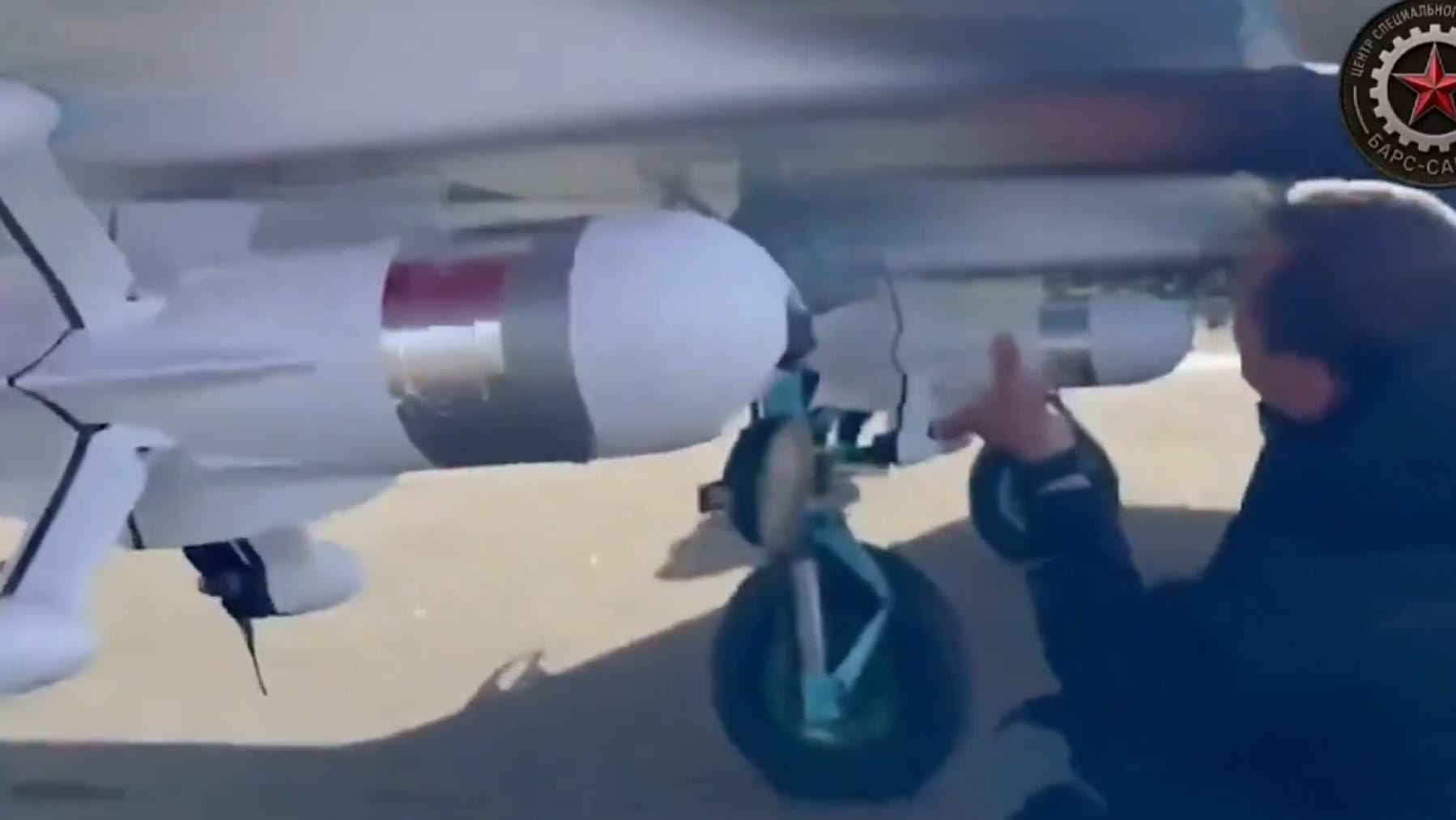
It’s such a good idea that Russian forces have copied it. A new video that circulated online depicts Russian aircrew arming an Antonov An-2 biplane and a Yakovlev Yak-52 turboprop training plane with underwing interceptor drones. The Ukrainians also use Yak-52s for air defense against drones, albeit with a gun-armed shooter in the back seat.
The An-2 was designed in the 1940s. It cruises at barely 250 km/hr. The 1970s-vintage Yak-52 is slightly faster at 285 km/hr. But both types are stable and maneuverable and cheap to operate. They may not be able to take down the highest and fastest aerial targets, but they don’t have to. They’re for the lower, slower targets.
In other words, the An-2s and Yak-52s complement surface-to-air missiles and missile-armed fighters. They don’t replace them. “This is the low-cost way if providing area air defense,” wrote Michael Bohnert, an analyst with the California think tank RAND.
The interceptor drones hanging under the An-2 and Yak-52’s wings function as inexpensive air-to-air missiles, helping the old planes hit Ukrainian drones from potentially 10 km away or farther. The concept is simple. The biplane or trainer takes off, maneuvers between incoming Ukrainian drones and their target and launches its underwing interceptors, most likely one at a time.
A crew member in the cabin of the An-2 or the back seat of the Yak-52 sees what the interceptor sees on a handheld console, and steers the interceptor to a collision with a Ukrainian drone. Some interceptors drones have a small explosive payload, but they don’t normally need it: the impact alone should take down a drone.
Read the rest at Euromaidan Press.
Independence Day Discount!

Happy 250th birthday to a troubled young country with a rich history and lot of potential. Celebrate July 4th with 25% off an annual subscription to Trench Art, your best source for war news and analysis.Thanks for reading Trench Art! This post is public so feel free to share it.
Hi David! Do you know what to expect if Russia does a full mobilization? Will it help them a lot or will it be the opposite?