

This story was commissioned by Euromaidan Press. Since Substack pays only around a fifth of my bills, I have no choice but to take on a lot of freelance work. I still want my Substack audience to know where to read those freelance stories, however. Hence this excerpt.
Russian forces may have finally found a way to protect their tanks from Ukrainian first-person-view drones. And it’s not the usual add-on armor applications that have defined mechanized combat in Ukraine since the early months of Russia’s wider war.
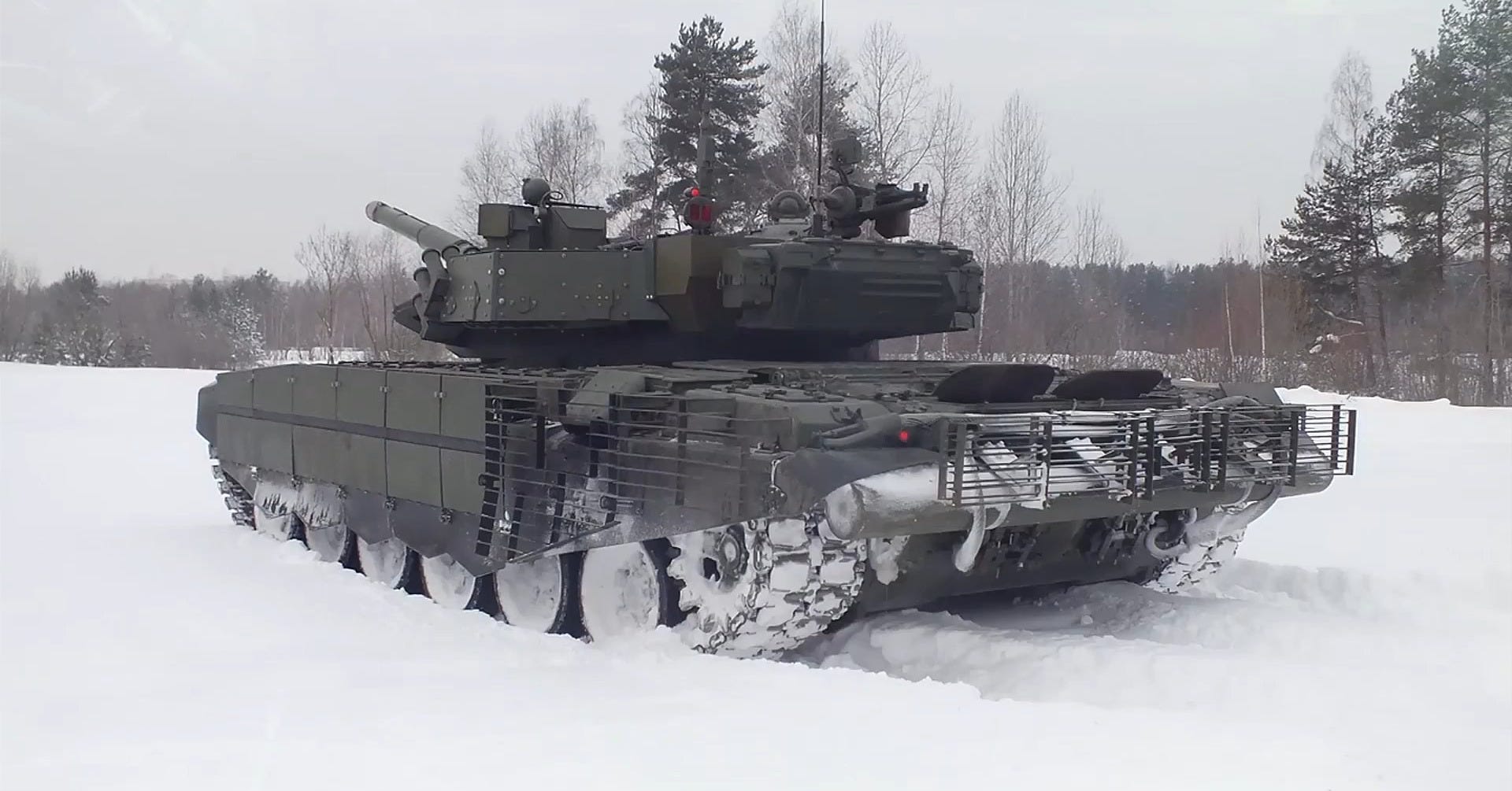
No, the Russians have begun deploying tanks fitted with the Arena-M active protection system (APS), which detects incoming FPVs and automatically fires a small projectile at them. The first few assaults by Arena-M-equipped tanks ended in defeat for the Russians, but limited combat footage shows the system can destroy incoming FPVs.
At least one Arena-M did work against FPVs—it just did not work long enough to save the tank. Observer Andrei_bt stressed that a reported 12-round loadout “does not match modern realities.”
Footage published on Aug. 7 showed Ukrainian FPVs attacking an Arena-M-equipped T-72B3M near occupied Volodymyrivka, though the Institute for the Study of War assessed that it likely showed the late-July mechanized assault. Ukrainian drone operator Dmytro Putiata reported that one Arena-M shot down seven FPVs before Ukrainian forces destroyed the tank.
That is a smaller problem than the one the Russians had a month ago, and it is why the burned-out tanks along the road in Donetsk Oblast are not the whole story. Russia has spent three years accumulating tanks it cannot safely send anywhere—thousands of them, rebuilt and parked for want of a defense against $500 drones. An Arena-M that does not run dry halfway to the objective is the thing that would let those tanks out of the yard.
The good news for Russian mechanized forces is that developers now know Arena-M needs a bigger ammo loadout. The bad news is that packing more projectiles into the system could prove extremely difficult.
The main problem: adding any further bulk to the turret-mounted projectile launchers could block a tank’s engine compartment, preventing access for maintenance.
Read the rest at Euromaidan Press.
Help Trench Art Grow To 700 Paid Subscribers

It took a year of hard work, but Trench Art has climbed past 600 paid subscribers! Celebrate with me and keep the momentum going with a 20% discount on paid subscriptions. Just $36 a year for daily war news and analysis.Thanks for reading Trench Art! This post is public so feel free to share it.
Latest advancements on the battlefield show Arena M is working perfectly now and Ukraine drone systems are useless. 50 + drones at one tank and the tank still operates.
Sad to see Ukraine being used as fodder for you western couch warriors to get fat for one more day, pretending your not supporting Nazi's.
Any vehicle, armored or not, operating on its own has always been at a disadvantage in a combat environment. This is now 10 times worse I reckon and committing a single vehicle to any operation is just suicidal.