

This story was commissioned by Euromaidan Press. Since Substack pays only around a fifth of my bills, I have no choice but to take on a lot of freelance work. I still want my Substack audience to know where to read those freelance stories, however. Hence this excerpt.
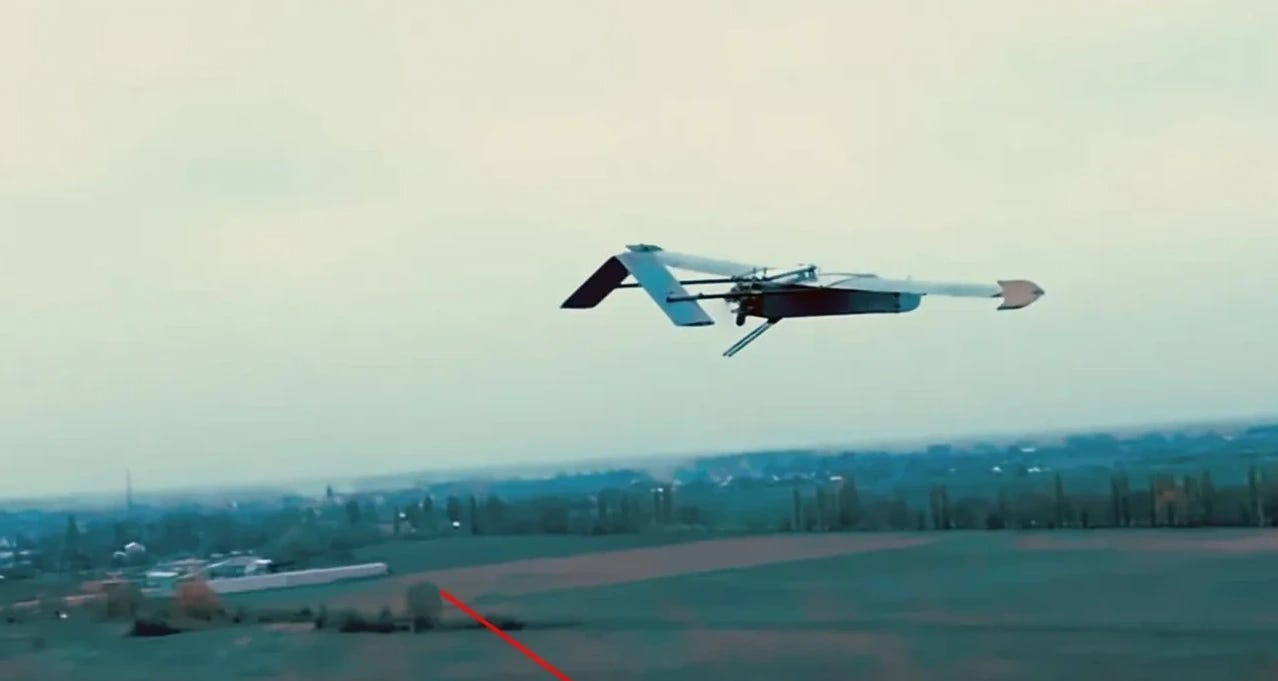
Ukrainian drones are striking harder and more often across occupied Ukraine and even deep into Russia itself. At the same time, Russia’s spring offensive is off to a slow start—if not already faltering.
The two things are almost certainly related. Russian forces still enjoy a manpower and firepower advantage over Ukrainian defenders. But Ukraine’s intensifying heavy drone strikes are fraying Russian logistics and chipping away at Russian regiments’ combat power before the regiments even begin their attacks.
There’s still time for Russia’s usual spring offensive to gain momentum, potentially leading to significant territorial gains for Moscow. But there’s another possible outcome for the regime of Russian Pres. Vladimir Putin. “With large-scale deep strikes on his territory, and a ground campaign not generating tempo, 2026 may be the worst year yet for Putin,” commented Mick Ryan, a retired Australian army general.
Russia Matters, a project of Harvard Kennedy School’s Belfer Center for Science and International Affairs, quantified what Ryan described as the “sputtering” Russian offensive. Borrowing data from the Washington, D.C.-based Institute for the Study of War, Russia Matters found that Russian forces suffered a loss of 67 square kilometers of Ukrainian territory in the month ending 28 April.
The Russians have actually been falling back, overall, for two months now. Russian forces gave up 31 square kilometers in March after gaining 119 square kilometers in February.
Read the rest at Euromaidan Press.
Help Trench Art Grow To 700 Paid Subscribers

It took a year of hard work, but Trench Art just climbed past 600 paid subscribers! Celebrate with me and keep the momentum going with a 20% discount on paid subscriptions. Just $36 a year for daily war news and analysis.Thanks for reading Trench Art! This post is public so feel free to share it.