

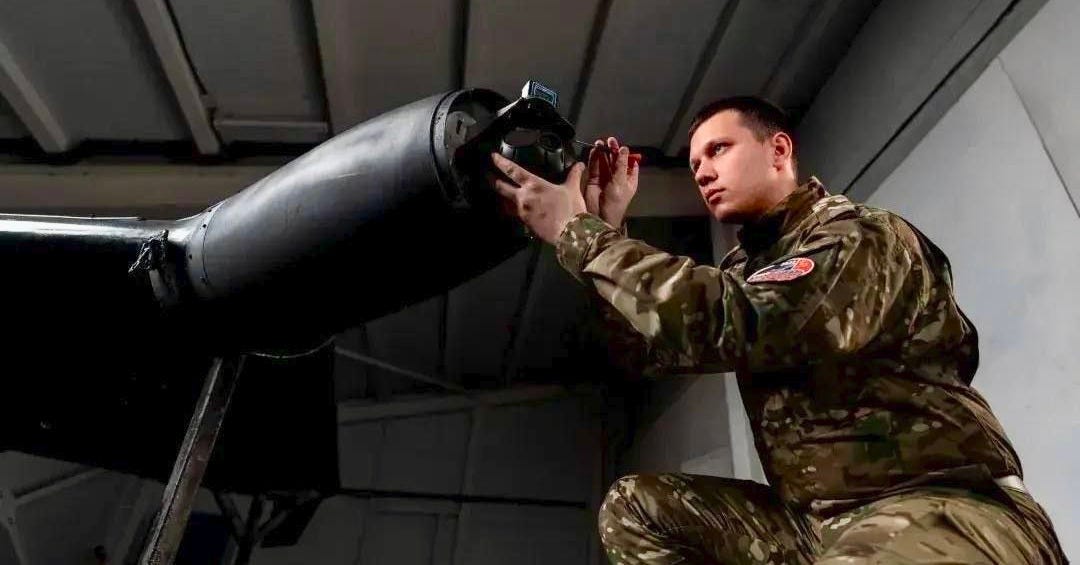
The first few generations of Shahed one-way attack drones that Russia deployed in its ongoing campaign of deep strikes targeting Ukrainian cities and power plants navigated just one way. They used satellite positioning to hit pre-designated targets.
That’s changing—and for obvious reasons. Ukraine’s wide-area strategic jammers can throw off the satellite-guided drones. Ukrainian air defenses teams can shoot them down as they motor along predictable flight paths at medium altitude.
Four years into the deep strike campaign, just 10% of Shaheds normally get through Ukrainian defenses, even when the Russians 500 or more of the 440-pound explosive drones in a single barrage.
Now more and more of Russia’s Shaheds are directly controlled by a distant operator. This makes them much more maneuverable and responsive. They can dodge ground fire—and even strike back at the air defenders on the ground.
