

This story was commissioned by The Strategist. Since Substack pays only around a fifth of my bills, I have no choice but to take on a lot of freelance work. I still want my Substack audience to know where to read those freelance stories, however. Hence this excerpt.
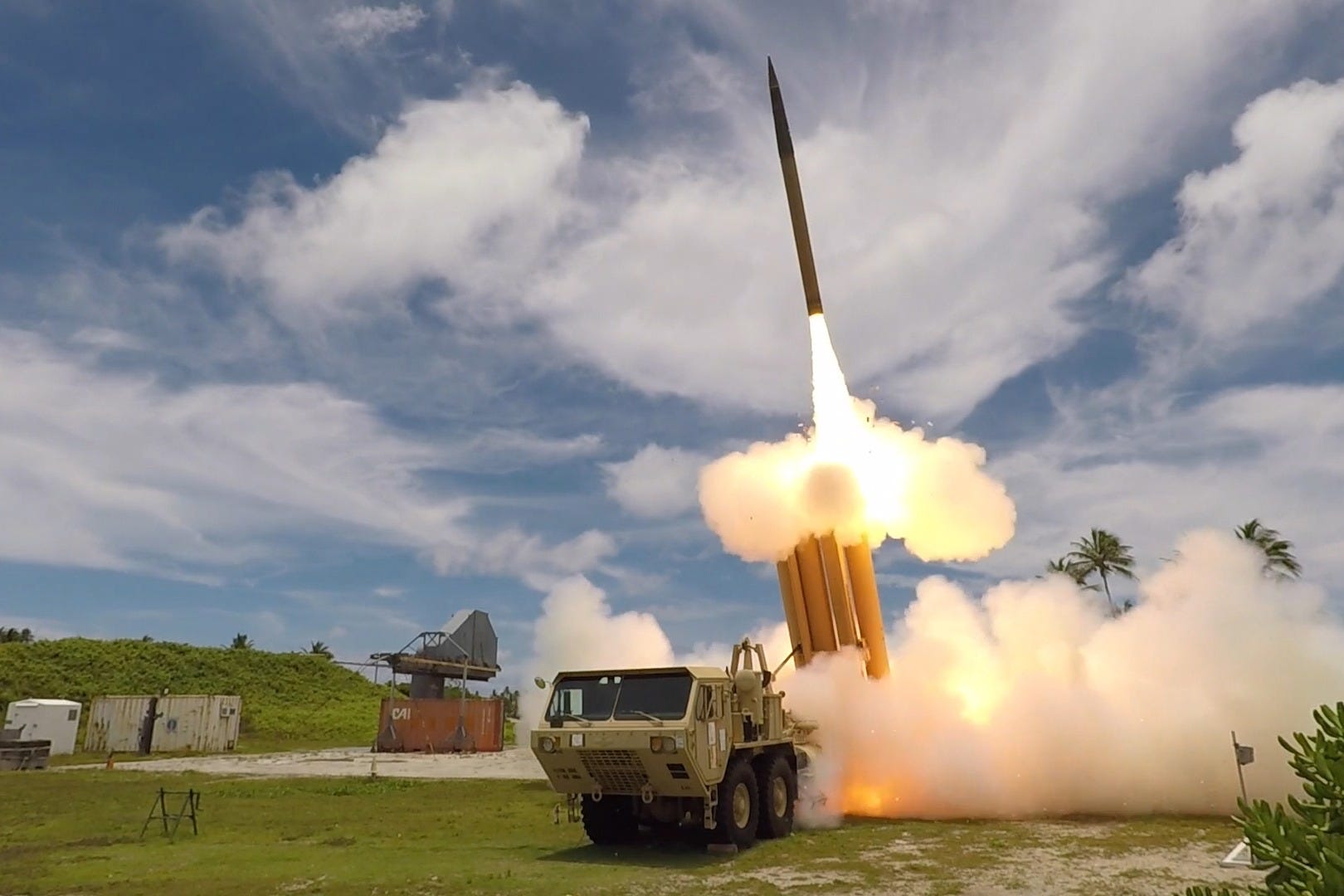
In six months of on-again, off-again fighting with Iran, the United States has effectively exhausted its supply of heavy air defense interceptors. These are the only interceptors that have any ability to shoot down the most dangerous enemy munitions: ballistic missiles.
Since the U.S. supplies—or supplied—most of the West’s heavy interceptors, the shortage isn’t just an American problem; it’s a global one.
The solution is global, too. America’s allies must work together, and fast, to produce alternatives to the U.S. Patriot and THAAD air defense systems. Ukraine is leading the way with a joint Ukrainian-German interceptor design. Now other countries must follow.
If they don’t, they could be exposed to devastating ballistic missile bombardment in the event of a major war. It’s already happening in Ukraine, where a deepening missile shortage for the country’s half-dozen or so donated Patriot batteries means Russia can now essentially bombard cities and power plants at will.
Ukraine’s only other air defense system with any significant anti-ballistic missile capability is its two Franco-Italian SAMP/T batteries, which are themselves desperately low on missiles.
The U.S. went to war with Iran with a limited inventory of missiles for its 60 Patriot and eight THAAD batteries. The Patriot’s latest PAC-3 radar-guided interceptor can hit incoming ballistic missiles around 50 km up. The THAAD’s infrared-guided interceptor can hit missiles 150 km up. A PAC-3 round costs around $4 million, a THAAD round around $12 million.
Before the first U.S. and Israeli bombs dropped on Iran in February, the Pentagon had around 360 missiles for its THAAD batteries and around 2,300 missiles for its Patriot batteries, according to the Center for Strategic and International Studies in Washington.
In six months of sporadic fighting, U.S. forces fired as many as 290 missiles from THAAD batteries and as many as 1,430 from Patriot batteries, potentially leaving just 70 rounds left for THAAD and 870 for Patriot. This is far too few to protect U.S. and allied bases during, say, a major war with China.
“We don’t have enough munitions to sustain a long-term fight,”warned Tom Cole, an Oklahoma Republican who chairs the U.S. House of Representatives’ Appropriations Committee.
The Pentagon is paying Lockheed Martin and Raytheon tens of billions of dollars to ramp up production of THAAD and Patriot rounds, respectively. But it takes 42 months to produce a missile for Patriot and 53 to produce one for THAAD.
Read the rest at The Strategist.
Help Trench Art Grow To 700 Paid Subscribers

It took a year of hard work, but Trench Art has climbed past 600 paid subscribers! Celebrate with me and keep the momentum going with a 20% discount on paid subscriptions. Just $36 a year for daily war news and analysis.Thanks for reading Trench Art! This post is public so feel free to share it.
Too right! We Canadians have depended on the US far too much for far too long! We need our own defence industry and Ukrainian know how to mass produce drones to defend ourselves!
For Ukraine, another SAMP/T NG system (the latest ballistic missile shoot-down variety) is due in the next few months. It's a loaner from France until the first of the four SAMP/T NG batteries Ukraine ordered arrives next year. IIRC, MBDA doubled production of the system's Aster interceptor missile in 2025, and is on track to double that again this year. But they're starting from such a low base that they're going to have to keep on doubling for a few years more to meet worldwide demand.
A lot rests on Ukraine's FP-7 Freya interceptor missile. It's a multinational collaboration and that is its strength. Lots of nations are supplying off-the-shelf components so there is no need for a decade-long bespoke development program. The rocket has been tested already. The site of production line abroad (safe from Russian missiles) is already selected. Ukraine has the machine tools it needs for the missile. Freya is meant to enter service next year. It will all come down to how good it is. Hit-to-kill intercepts are fiendishly challenging.