

by DAVID AXE
In the late 1940s, the new Convair B-36 bombers was the U.S. Air Force’s pride and joy. The largest mass-produced piston-engine aircraft ever made, the B-36 boasted the longest wingspan of any combat aircraft ever—230 feet. With a range of 10,000 miles and a bomb load of up to 44 tons, the B-36 was the world’s first bomber with an unrefueled intercontinental range.
But the Air Force feared sending B-36s into combat without fighter protection. And no fighter then in development could keep up with the giant bomber on their staggeringly long flights across oceans and continents. This was, after all, before aerial refueling became standard practice.
So the flying branch pitched ideas to industry, “most bordering on the ridiculous,” Steve Pace wrote in The Big Book of X-Bombers and X-Fighters. Among the worst ideas: equipping a B-36 with a tow cable and having the bomber drag a fighter behind it, releasing the smaller plane near the target zone “to fend off the enemy.” If the fighter survived, it would somehow reattach to the B-36.
“This retrieval part of the plan was never figured out,” Pace explained, “not to mention the problems associated with the bomber’s drag increase from towing a fighter behind it, and making the fighter behave aerodynamically in the B-36’s slipstream.”
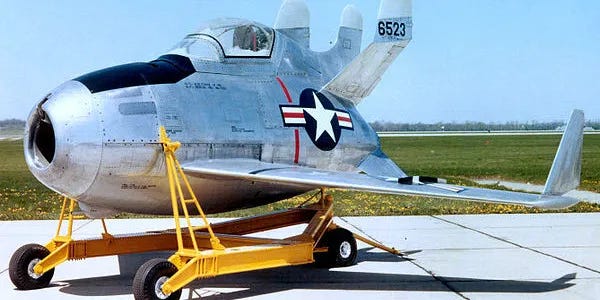
Fortunately, the Air Force came up with a somewhat more realistic scheme. Design a jet fighter small enough to fit inside the B-36’s cavernous bomb bay. That way, a formation of B-36s could carry its own escort planes internally, launching them to defend against air attack and retrieving them afterward.
