

Ukraine aims to rebuild its war-weary air force with a new fleet of up to 250 new fighters—a planned mix of Saab JAS-39E/F Gripens from Sweden, Dassault Rafale C/Ds from France and, potentially, Lockheed Martin F-16C/D Block 70s from the United States.
The uncertainty is high. It’s unclear how Kyiv would pay for tens of billions of dollars worth of new aircraft and also sustain the force over the long term. It’s equally unclear how the new Ukrainian air force would handle all the missions performed by the current Ukrainian air force.
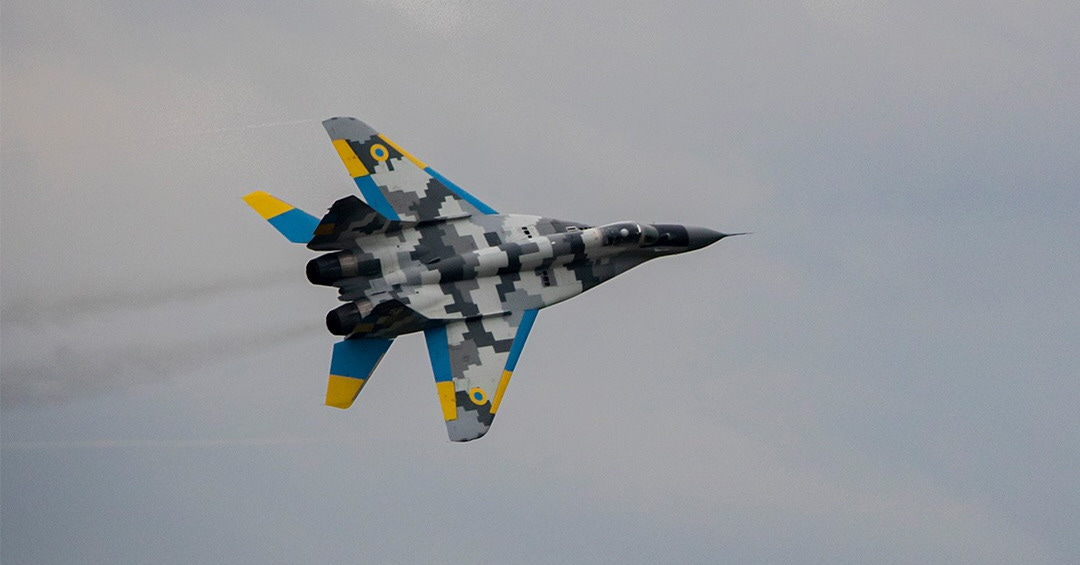
In particular, which of the new aircraft would perform the suppression-of-enemy-air-defenses mission currently handled by upgraded Mikoyan MiG-29s and Sukhoi Su-27s firing American-supplied AGM-88 High-Speed Anti-Radiation Missiles?
Kyiv has signed letters of intent with Paris and Stockholm that should lead to acquisitions of Rafales and Gripens, although potentially in smaller numbers than Ukrainian officials have proposed. Kyiv hasn’t signed an LOI with Washington that would lead to an F-16 acquisition—possibly because of the increasingly fraught relationship between the administration of U.S. Pres. Donald Trump and America’s traditional allies.
At present, neither the Rafale nor the Gripen is compatible with a modern anti-radiation guided missile, or ARGM, in the class of the American HARM or its successor the AGM-88E Advanced Anti-Radiation Guided Missile.
Unless Ukraine buys new F-16s for SEAD, it may have to retain much older aircraft in the role.
That could change, of course: French officials have promised to develop a new ARGM for the Rafale and field it in the 2030s. Swedish officials have talked about integrating an unspecified ARGM—likely the AGM-88E—on the Gripen around the same time.
Words are cheap. Missiles are expensive. Whether the Rafale or Gripen—or both—ever get an ARGM is an open question. Whether the Ukrainian air force needs an ARGM is clear. The best Russian air defenses can hold at risk Ukrainian warplanes over the entirety of Ukraine territory. To have any freedom of action, Ukrainian aviation brigades must take SEAD seriously.
So yes, they’ll need to maintain, if not expand, their SEAD capability as new fighters replace old fighters. But how?
