

This story was commissioned by Euromaidan Press. Since Substack pays only around a fifth of my bills, I have no choice but to take on a lot of freelance work. I still want my Substack audience to know where to read those freelance stories, however. Hence this excerpt.
Steadily ramping up drone sorties and cruise missile barrages starting this spring, Ukrainian forces are now hitting Russian air defenses, depots and electrical infrastructure in occupied Ukraine and in Russia itself at a rate of around 300 major strikes every month. 10 per day.
Wondering why Russia’s annual spring offensive has, so far, been unusually anemic this year—capturing just 94 square kilometers in April 2026 compared to 226 square kilometers in April 2025? It’s increasingly apparent Russian units are struggling to move sufficient troops, ammunition and supplies toward the disputed gray zone. Attacks on supply lines weaken Russian forces before they can even begin an assault.
One-way attack drones such as the Fire Point FP-1 and FP-2 account for a most of Ukraine’s 300 monthly middle and deep strikes, but reusable drone bombers are in the mix, too. Dropping bombs and then returning to base for more bombs, the reusable Horynych E-300 and Aeroprakt A-22 two-way drone bombers—built on commercial sport plane airframes that retail around $50,000, with factory-built variants reportedly running $250,000 to $450,000 depending on configuration—help drive down the overall cost of the Ukrainian strike campaign.
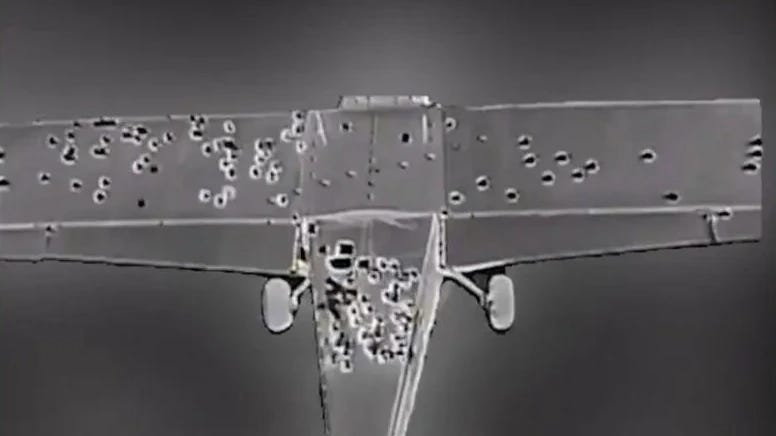
The pilotless, propeller-driven sport planes are reusable in part because they’re tough—and capable of absorbing Russian ground fire that might bring down a smaller, flimsier one-way drone.
Read the rest at Euromaidan Press.
Help Trench Art Grow To 700 Paid Subscribers

It took a year of hard work, but Trench Art just climbed past 600 paid subscribers! Celebrate with me and keep the momentum going with a 20% discount on paid subscriptions. Just $36 a year for daily war news and analysis.Thanks for reading Trench Art! This post is public so feel free to share it.