

This story was commissioned by The Strategist. Since Substack pays only around a fifth of my bills, I have no choice but to take on a lot of freelance work. I still want my Substack audience to know where to read those freelance stories, however. Hence this excerpt.
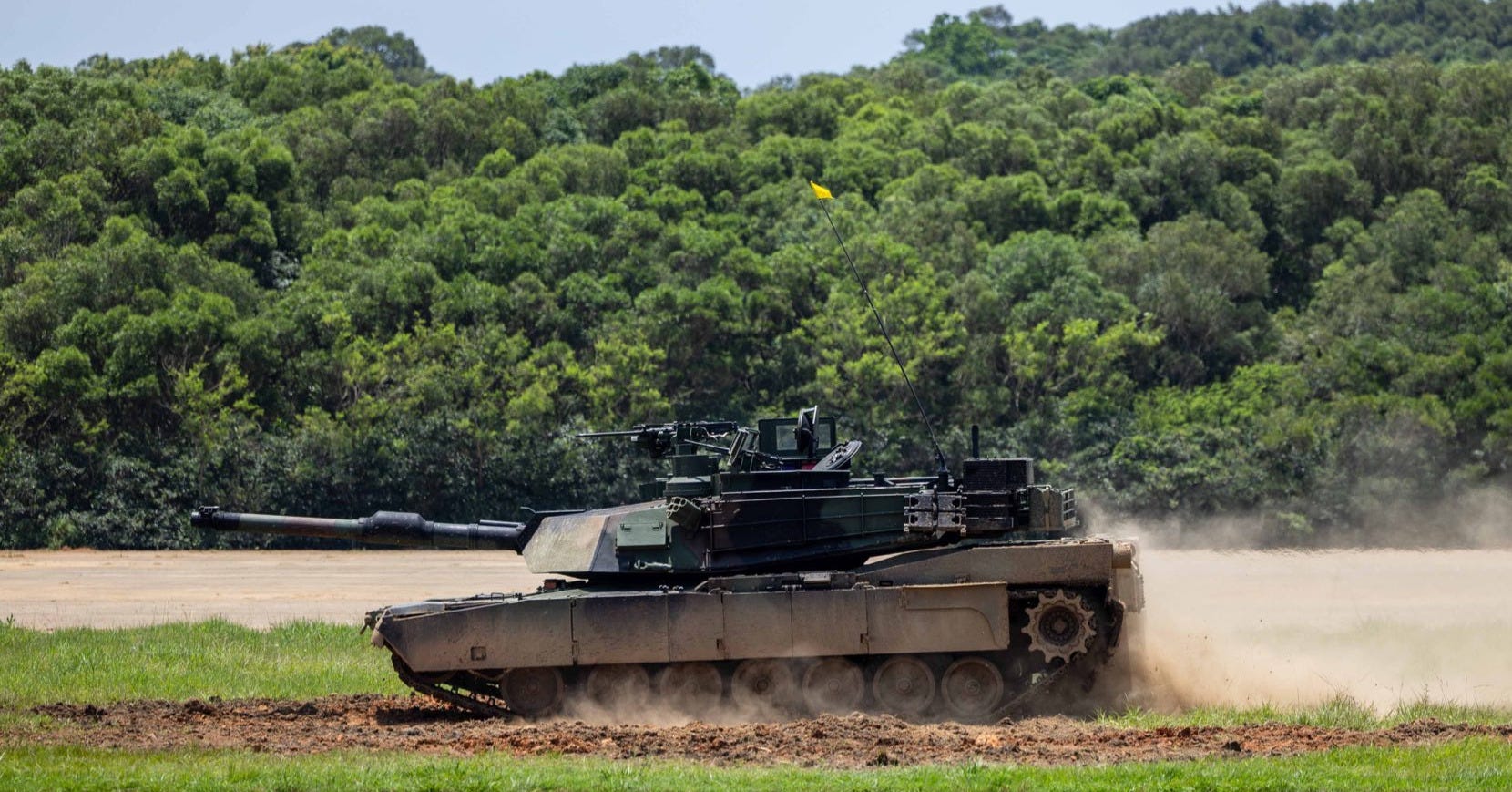
Late in April, a batch of American-made M1A2 Abrams tanks arrived by sea in the Port of Taipei. The 28 M1A2s are the last of 108 Abrams tanks that Taiwan bought from the United States for US$1.3 billion (A$1.8 billion) back in 2019.
Among the most sophisticated tanks in the world, the M1A2s are also a symbol—but not the symbol of strength that Taiwanese leaders surely hope. Instead, they are symbols of weakness. For too long, Taiwan has armed itself with the wrong weapons.
The 74-ton, four-person M1A2 was designed for a kind of warfare that is rapidly becoming a thing of the past. As the wars in Ukraine and Iran have proved, the future belongs to small, light, autonomous weapons that can be continuously upgraded and built quickly in huge quantities: propeller-driven strike missiles, remotely deployed mines, explosive robotic boats, long-range jet cruise missiles and scalable defenses against these same weapons.
Systems like those are what could transform Taiwan into a porcupine – prey too prickly to grab easily or quickly. Taiwan is on the verge of pivoting to a defensive strategy based on small, cheap and autonomous munitions. A US$40 billion special defense budget proposed by President Lai Ching-te was heavily weighted toward drones and missiles. But opposition lawmakers from the China-friendly KMT party slashed some of those elements of it.
As long as the KMT further delays an already delayed military transformation, Taiwan must plan to fight China’s overwhelmingly more numerous ships, planes, missiles and troops with the weapons it already has. Some are still useful. Others are dead weight.
Read the rest at The Strategist.
Help Trench Art Grow To 700 Paid Subscribers

It took a year of hard work, but Trench Art just climbed past 600 paid subscribers! Celebrate with me and keep the momentum going with a 20% discount on paid subscriptions. Just $36 a year for daily war news and analysis.Trench Art is a reader-supported publication. To receive new posts and support my…